

Beginner
6 min read
April 2026
Getting Started with Weekly Dance Socials
Your guide to finding local dance socials, managing first-night nerves, and joining a welcoming community of dancers

Author
Síle O'Sullivan
Senior Wellness & Dance Editor
Dance educator and active ageing specialist with 14 years' experience designing movement programmes for older adults across Ireland.
What You'll Find at a Dance Social
Dance socials aren't performances or competitions. They're casual gatherings where people of all levels come together to dance, chat, and enjoy music. You'll find them happening weekly across Ireland — in community centres, dance studios, church halls, and hotel ballrooms.
Most socials run for 2-3 hours on a weeknight or weekend afternoon. There's usually a small entry fee (€5-€10), and you'll get live music or a good DJ playing everything from salsa and bachata to standard ballroom. The atmosphere is relaxed — nobody's judging, and dancers range from complete beginners to experienced regulars.

Finding a Social Near You
The best way to find socials is through local dance studios — most host their own or know others in the area. You can also check community centre listings, ask at fitness clubs, or search social media groups for your county. In Dublin, Cork, Galway, and Limerick, you'll find socials happening multiple nights per week.
Don't worry if you can't find one exactly where you live. Many people travel 20-30 minutes to reach their regular social. It's worth it. You'll build friendships and have a proper night out.
- Search "[Your County] dance social" on Facebook
- Call local dance studios and ask for schedules
- Check community centre notice boards
- Ask at your gym or fitness class
- Join online groups for active retirees in your area
What to Wear & Bring
Dress code is casual. You're not performing — you're there to dance and have fun. Smart casual is perfectly fine. Most people wear trousers or a skirt with a nice top. Avoid very loose clothing that gets in the way.
Shoes Matter
Dance shoes have soft soles that let you pivot and turn. Street shoes have hard soles that grip the floor. If you're serious about this, invest in proper dance shoes (€40-€80). If you're just trying it out, wear smooth-soled shoes or leather-soled shoes you already own.
Bring Water
You'll be moving for 2-3 hours. Bring a water bottle. Most socials have a small café or bar where you can buy drinks, but it's cheaper and healthier to bring your own.
Arrive Early
Get there 10-15 minutes before the official start. You'll have time to find parking, settle in, and chat with other dancers. The energy builds gradually — no pressure to jump in immediately.
Tell Someone Where You Are
Send a quick message to a friend or family member with the venue address and when you'll be home. It's sensible and takes 30 seconds.
Getting Through Your First Night
Nervous? That's normal. Here's what'll actually happen: You'll walk in, pay your fee, find a spot to sit or stand, and watch for a bit. Nobody expects you to jump straight into dancing.
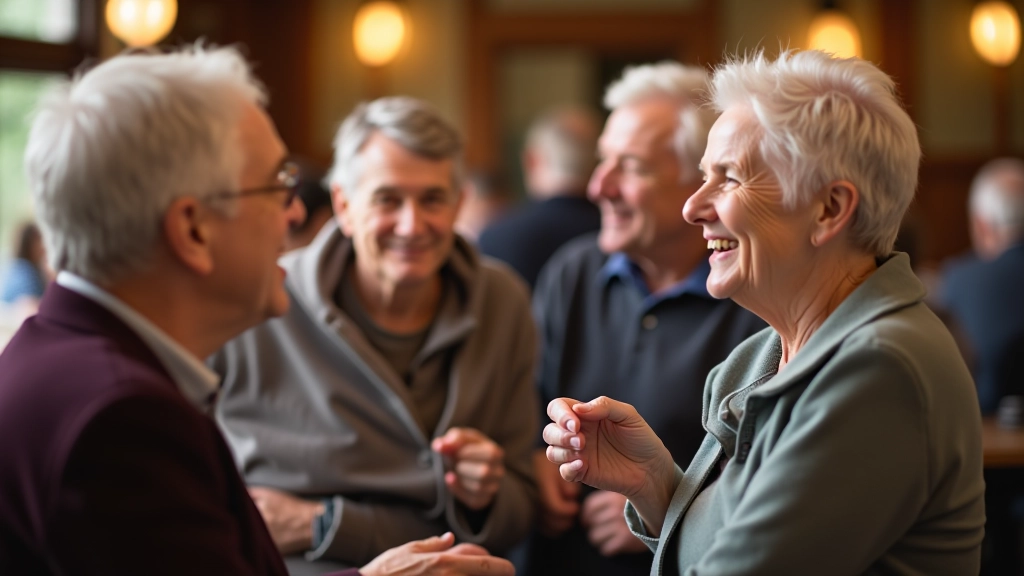
After 10-15 minutes, someone will probably come over and say hello. Dancers at socials are friendly — they remember what it's like to be new. If you sit alone looking interested, you'll get invitations to dance. If you want to approach someone, just say "Would you like to dance?" That's it. No fancy conversation needed.
Real talk: Your first dance might feel awkward. You'll step on someone's toes or lose the rhythm. Everyone does. It doesn't matter. After three songs, you'll relax. After an hour, you'll wonder why you were nervous.
You don't need to know how to dance properly. You don't need to be fit. You don't need a partner. Most socials have an even mix of leaders and followers, and experienced dancers genuinely enjoy dancing with beginners. It's a chance for them to feel helpful and to remember what they learned when they started.
The Basic Steps You Need to Know
You don't need to memorize choreography. Most social dances use the same 3-4 basic steps repeated. Here's what you'll actually do:
1
Listen for the Beat
Most social music has a clear rhythm. Tap your foot to find it. That's all you need to do at first. Getting the rhythm in your body is 80% of dancing.
2
Follow or Lead
In partner dances, one person leads (suggests the movement) and the other follows. If you're following, just stay in contact with your partner and respond to their movements. Don't overthink it.
3
Master One Basic
Bachata has a simple side-to-side step. Salsa has a forward-back-forward pattern. Learn ONE basic step well. You can dance an entire song using just that.
4
Have Fun, Not Perfection
You're not auditioning for a show. You're moving to music with another person. If you mess up, laugh it off. Everyone does. Every single time.
Building Real Friendships
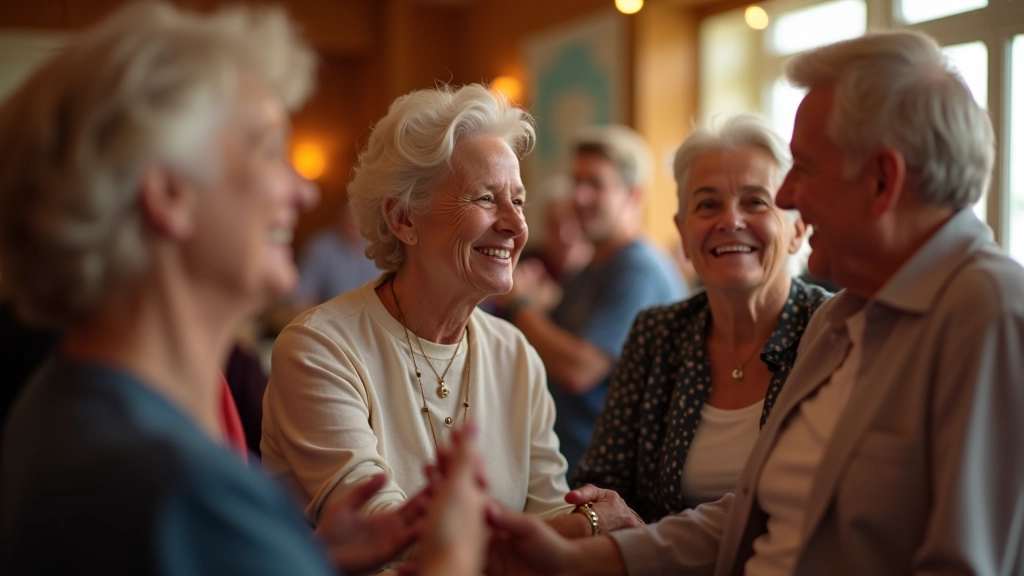
Here's what surprised most people we've talked to: the friendships that develop. You'll see the same faces week after week. You'll start saving a seat for someone. You'll make plans to grab coffee after the social. You'll have a crew.
These aren't forced social connections. They're genuine friendships built around something you both enjoy. After 4-5 weeks of regular attendance, you'll know 15-20 people by name. You'll have favourite dance partners. You'll hear yourself saying "See you next week" with real meaning.
Many socials also organize trips to bigger dance events or weekend retreats. You'll hear about them through the grapevine at the social. These are optional, but they're brilliant if you want to go deeper into the dance world.
Your Next Step
Find a social. Mark it on your calendar. Set a time to arrive. Wear comfortable shoes. Show up.
You don't need to be good. You don't need to be confident. You don't need a partner. You just need to show up. That first night, you might feel out of place. By week three, you'll belong.
Dance socials aren't about becoming a dancer. They're about being part of something. Moving your body. Hearing live music. Laughing with new friends. Feeling alive on a Wednesday or Saturday night.
That's worth showing up for.
Disclaimer
This article is informational and educational in nature. It provides general guidance on attending dance socials and is not professional medical, fitness, or safety advice. Always consult with your healthcare provider before starting any new physical activity, especially if you have existing health conditions or concerns. Dance socials vary by location and venue — check with your specific social for their rules, accessibility features, and what to expect. The experiences described are representative but individual experiences may vary. We encourage you to visit a social in person to see if it's right for you.
Continue Your Learning

Galway Dance Retreats: What to Expect and How to Prepare
Planning to attend a dance retreat in Galway? This resource covers accommodation options, what styles of dance you'll learn, and how to prepare physically and mentally.
Read Guide
Building an Active Lifestyle: Dance, Fitness, and Community
Dance is just one part of staying active as a retiree. Learn how to combine regular movement, strength work, and social connection for long-term wellbeing.
Read Guide