
Building an Active Lifestyle: Dance, Fitness, and Community
Combining regular movement, structured fitness, and social connection creates a sustainable approach to staying healthy and engaged as you age.

Why Movement Matters Beyond the Dance Floor
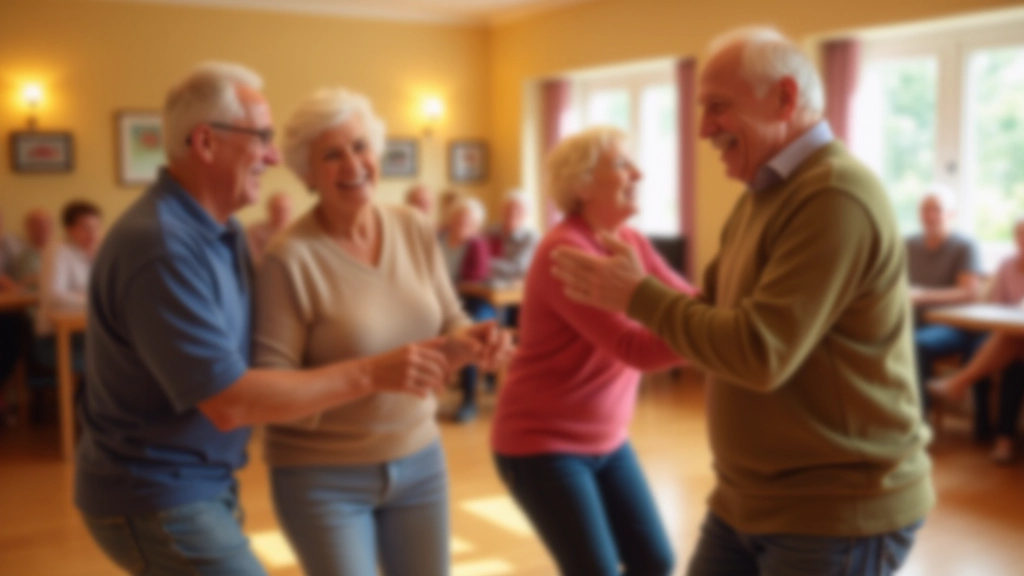
Dance is wonderful. It's fun, social, and gets you moving in ways that feel natural rather than like exercise. But here's the thing — dance alone isn't enough to build a truly active lifestyle. You need variety. You need balance. You need the kind of movement that keeps your joints flexible, your heart strong, and your mind engaged.
Over the past few years, we've worked with hundreds of older adults across Ireland who've discovered that the most sustainable approach combines dance with other activities. Some add walking groups. Others incorporate gym sessions or yoga. The pattern's always the same: those who mix their movement stay more consistent and feel better overall.

The Foundation: Understanding Your Movement Baseline
Before you start adding activities, it helps to know where you're starting from. It's not about being fit or unfit — it's about understanding what your body can currently do and what feels good.
Most people don't realize how much movement matters until they stop. Then they feel it. Stiffness appears. Stairs become harder. You lose confidence. But it doesn't take much to reverse that pattern. Studies show that people who move regularly — even just 30 minutes most days — see real improvements in energy, balance, and mood within 4-6 weeks.
Key insight: You don't need to be a dancer or an athlete to benefit from movement. Consistent, moderate activity works better than intense occasional bursts.

Building Your Activity Mix: Dance Plus Everything Else
The people who stay most active aren't doing one thing. They're doing several things, and they're rotating them based on how they feel and what the season offers.
Here's what a balanced week looks like for most active retirees we know:
- Dance sessions: 2 times per week (weekly socials, classes, or practice)
- Walking or outdoor movement: 3-4 times per week (park walks, casual outings)
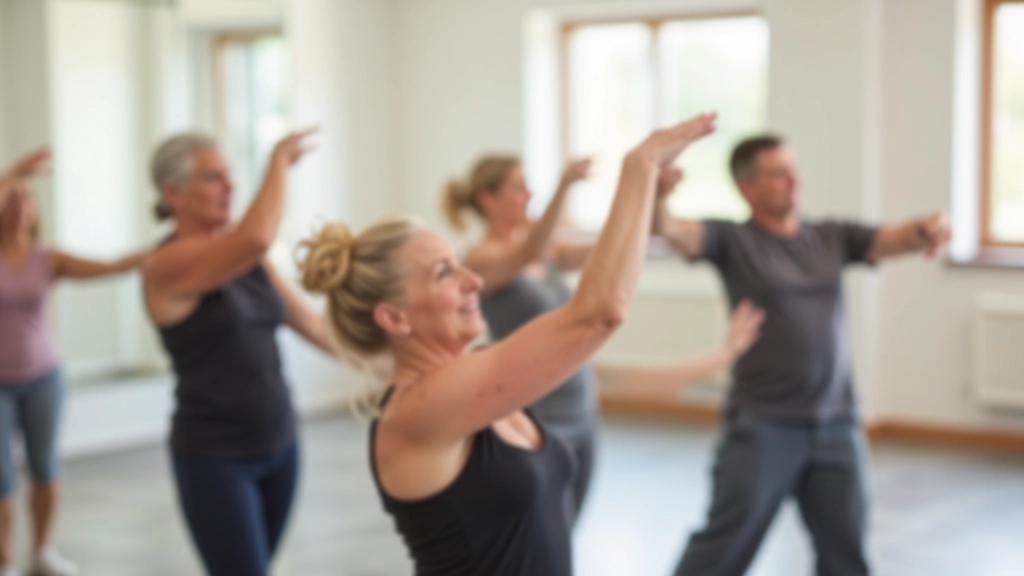
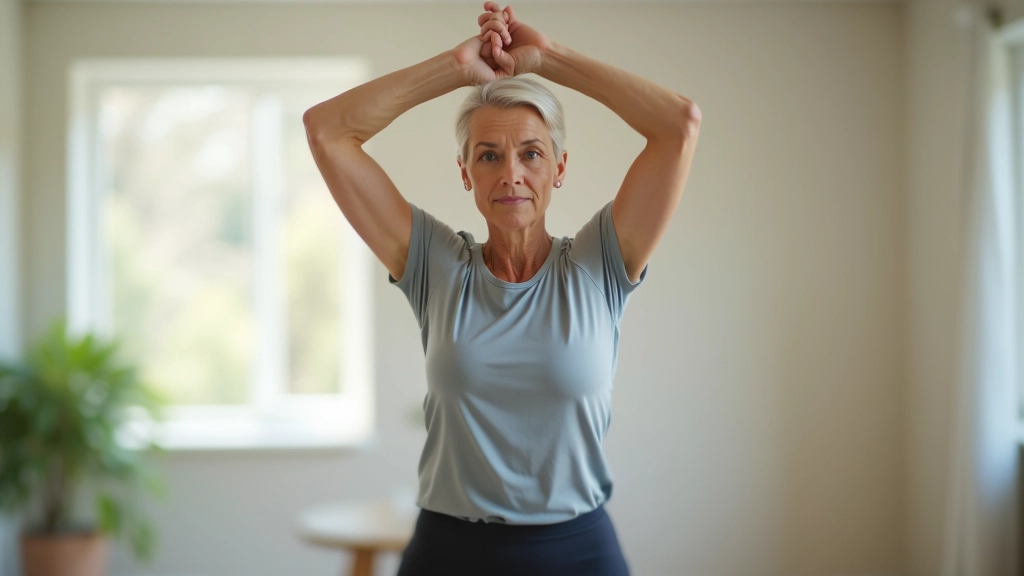
- Flexibility work: 2-3 times per week (yoga, stretching, or tai chi)
- Strength activities: 1-2 times per week (gym work, resistance training, or bodyweight exercises)
That's not a rigid schedule. It's a framework. Some weeks you'll do more dance. Other weeks you'll focus on outdoor walking. The key is consistency — showing up regularly, not overdoing it.
The Community Factor: Why You'll Stick With It
Here's what we've noticed: people who exercise alone often stop. But people who exercise with others? They keep going.
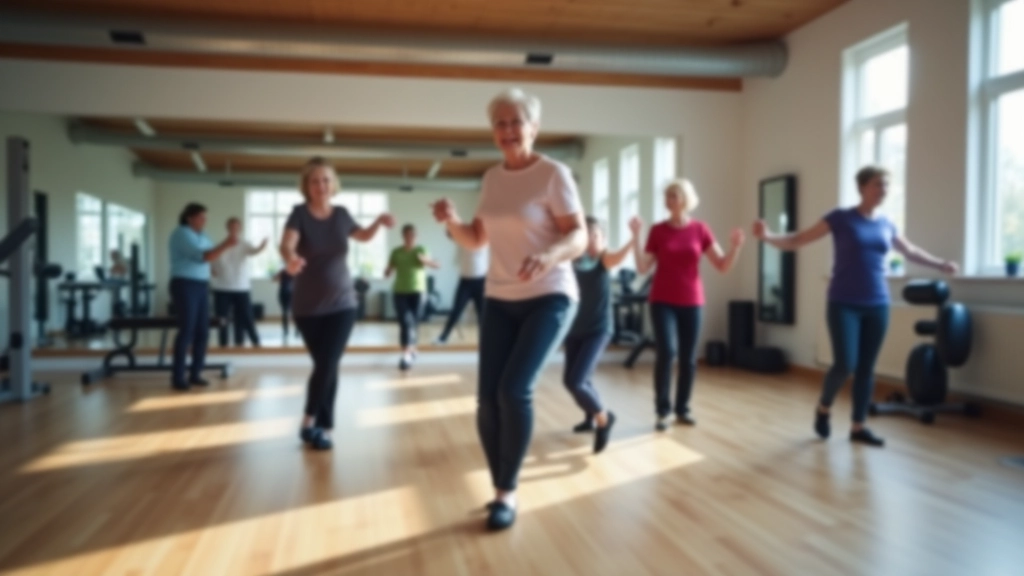
Dance inherently has community built in. You're with other people. You're laughing. You're struggling together and celebrating when someone nails a step. That's powerful. It's also the thing that makes you show up even on days when you don't feel like it.
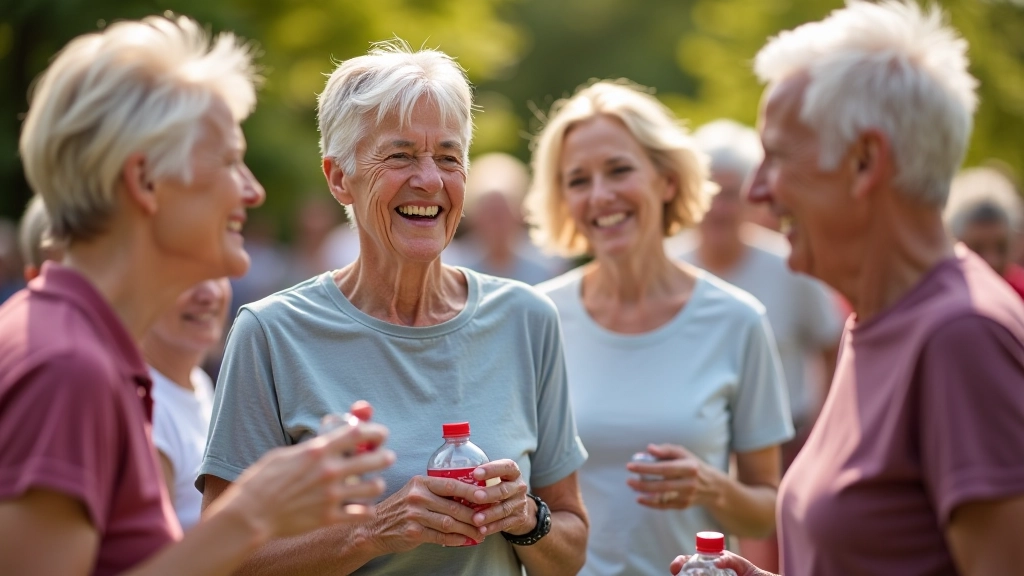
But don't stop there. Walking groups, gym classes, yoga studios — these all have that social element too. You'll find familiar faces. You'll make friends. You'll have conversations that extend beyond "did you see that step?" Some of the best friendships form around shared activities.
Practical Starting Points: Getting Into the Routine
You don't need a gym membership or special equipment to get started. But you do need a plan that works for your life.
Start with what you already enjoy. If you love dance, that's your anchor — 2 sessions weekly. Then add one thing that feels different. Maybe it's a weekly walk with a friend. Or a yoga class. Or even just 15 minutes of stretching at home. Pick something that fits your schedule and feels sustainable.
After 3-4 weeks, you'll notice it becomes habit. Your body expects the movement. You'll actually miss it if you skip it. That's when you know it's working. Once the habit sticks, you can add a second complementary activity.
The Long View: What Sustainable Activity Actually Looks Like
An active lifestyle isn't about perfection. It's not about crushing workouts or being the fittest person in the room. It's about showing up consistently, moving in ways that feel good, and doing it with people you enjoy.
Dance gives you joy and social connection. Walking gives you fresh air and low-impact movement. Yoga or stretching keeps you flexible. Strength work keeps your bones and muscles strong. Together, they create resilience — the ability to move through life without pain, without limitation, and with confidence.
That's worth showing up for.
Disclaimer: This article is informational and educational. It's not a substitute for professional medical advice, fitness instruction, or personalized guidance. Before beginning any new movement programme, especially if you have existing health conditions or concerns, consult with your doctor or a qualified fitness professional. Everyone's body is different, and what works for one person may need adjustment for another. Always listen to your body and move within your own comfortable range.
Related Resources